
Main Character Moments
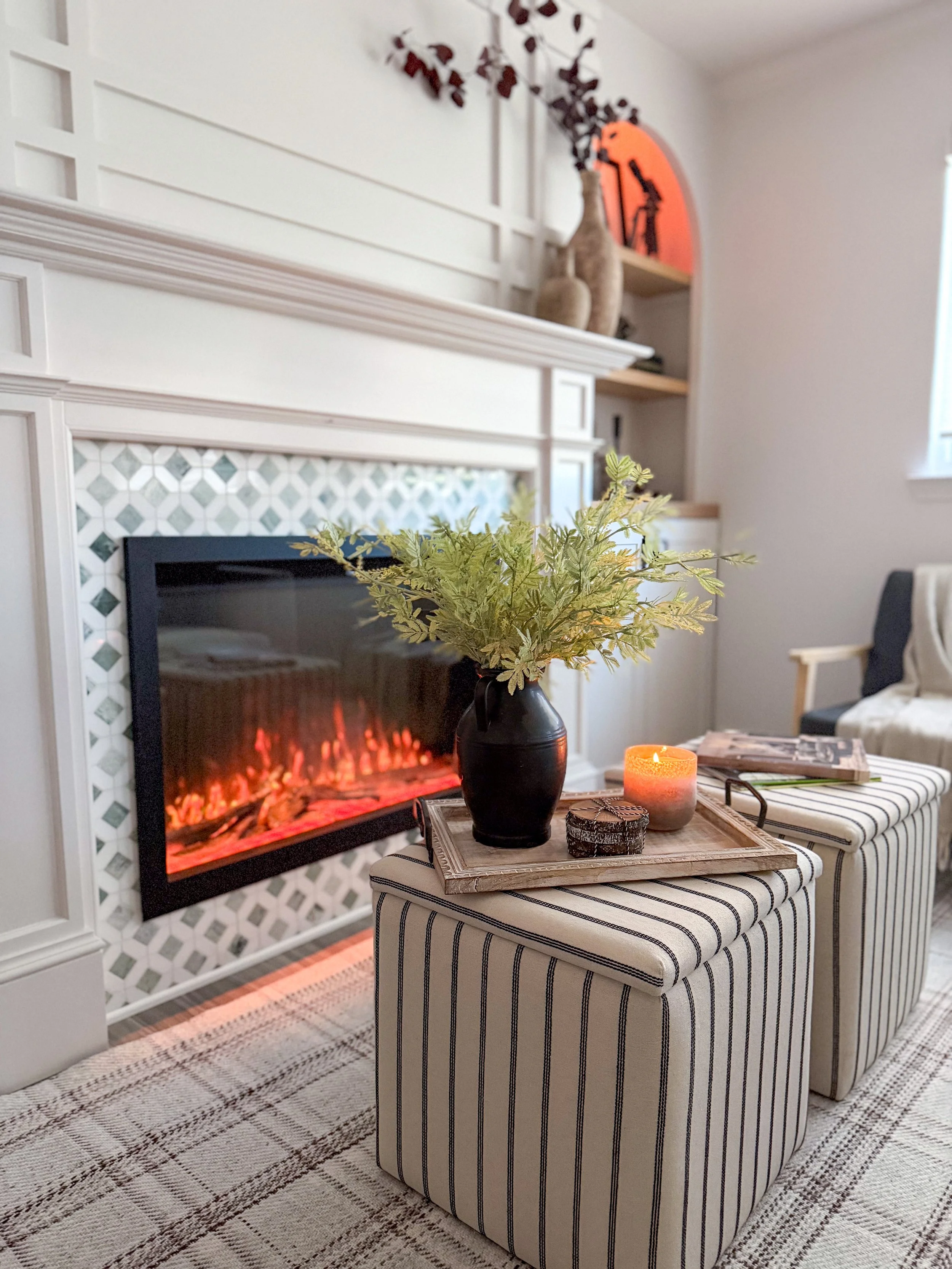
Every room tells you where to look first. Even without realizing it, your eye always chooses a starting point. That first point of attention isn’t random, it’s shaped by design, proportion, and intention. Whether you notice a bold feature or a quiet detail, something in the space naturally shapes your overall impression of the room. And often, that single moment is what gives the space its identity long after you’ve left it.
FOCAL POINTS DEFINED
The focal point is what your eye always comes back to, the star, anchor, or detail that gives the space identity and direction.
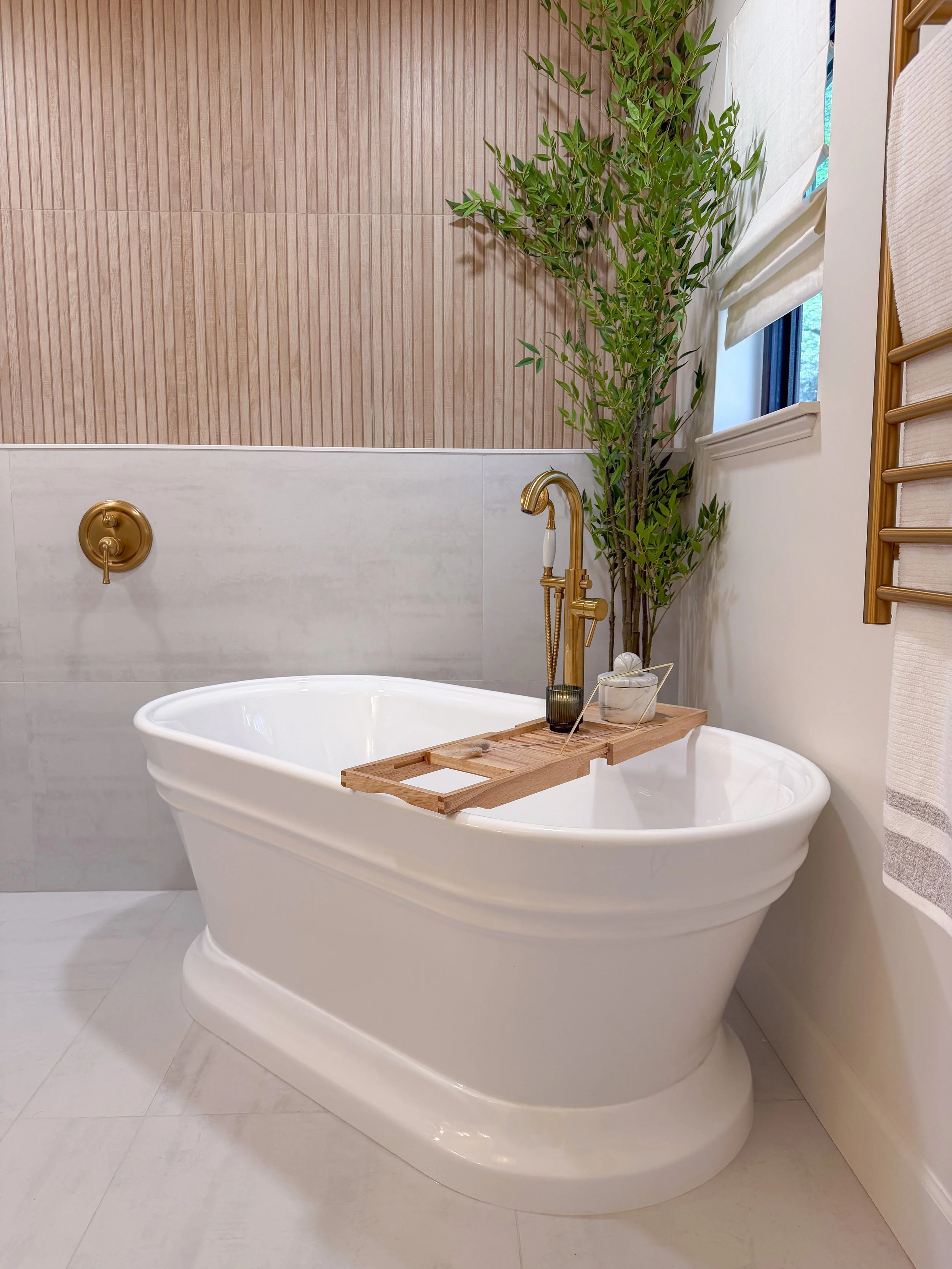
A room’s purpose can be established through statement features. A centered fireplace can ground a seating area, or playful tile can signal who a bathroom is intended for. Other times, a focal point leans more emotional. Think of how a lighting alone can influence whether a setting feels serene, inviting, formal or even scary. And while we often imagine main character moments as bold and immediate, they can definitely be subtle. An arched opening can frame a feature wall, while wallpaper can set the tone of the entire room. Or maybe your focus is all over the place with too many elements competing for attention, making the space a bit visually overwhelming.. but that’s the point. Whether dramatic or understated, the focal point creates a clear sense of intention and becomes what you remember most about the space.
HOW TO CREATE A MEMORABLE ROOM
Our memories are often enhanced (and sometimes built) through emotions so it goes without saying that the easiest way to approach a space is to ask yourself “how do I want to feel in this space?” Answer honestly in a few single descriptive words and you’ll start forming certain ideas to make them come to life.
Think of your bedroom for example. Most would go for an accent wall as the famous “aha” moment of the primary bedroom, but how memorable is that? Let’s go with our three words: cozy, peaceful and organized. Now you’ll find that the memorable moments come from the details. Perhaps pendant lighting in place of bedside lamps or a patterned upholstered headboard will instantly draw attention and define the space. Maybe it’s the cozy boucle lounge chair in the corner of the room or the layers of linen that mentally take you to an island oasis.
Another way to identify this is to start focusing on your first impression when you walk into a space. Your focus could be drawn to a gallery wall that evolves with the seasons, or floor-to-ceiling windows that consistently create a quiet “wow” moment. Focal points don’t have to be architectural—how a space is styled can have just as much impact on the way it’s perceived and used.
WHY LESS CAN SOMETIMES BE MORE
Negative space plays a quiet but important role in how a focal point is experienced. It’s not just about what you include in a room, but what you leave open.
But when negative space is used well, it creates contrast. It gives the star of the room a chance to breathe and naturally draws attention to what matters most.
It’s not just empty space—it’s part of the design that helps everything feel more defined.