
The Rooms People Forget to Design
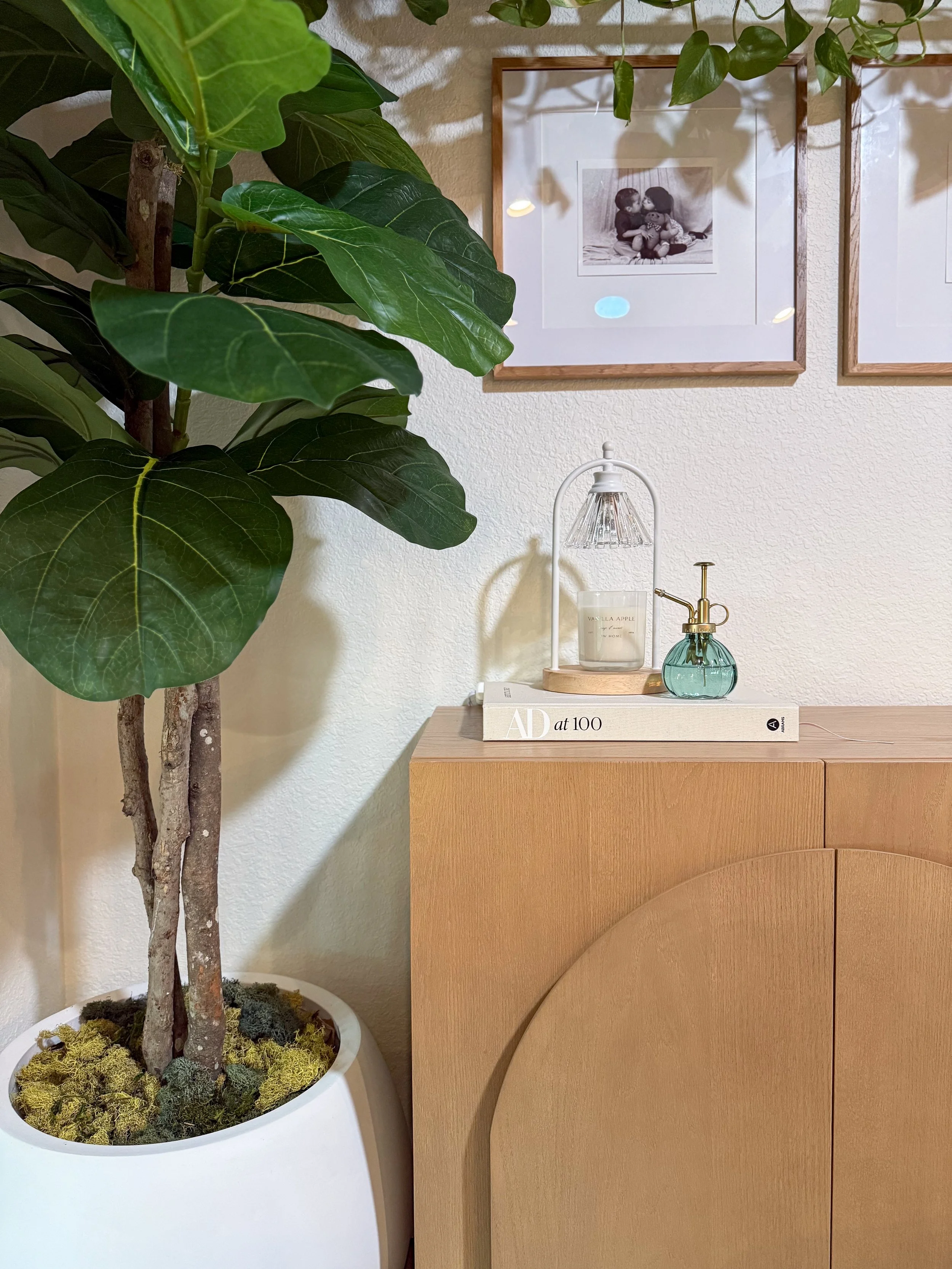
When we think about designing a home, we tend to think about the spaces that naturally command our attention. The kitchen gets the beautiful countertops, the living room gets the new sofa, and the primary bath gets all the luxury finishes.
But what about the areas we don't think about quite as often?
There are corners of the home that can go years without receiving much attention—not because they don't matter, but because we don't always recognize that they need to be designed in the first place. Rooms can quietly become catch-alls, sit unfinished until the moment we need them, or simply get pushed aside because they aren't as glamorous as the settings we naturally gravitate toward.
But these spaces still shape the way we live in our homes. When they're thoughtfully designed, they can make everyday life feel more organized, more functional, and even more enjoyable. So rather than just pointing out the rooms people tend to forget, we're looking at why they get overlooked—and why they deserve more attention.
A PLACE WITHOUT A PLAN
A room doesn’t start as a catch-all. It becomes one when we simply don’t decide what it should hold. The mudroom accumulates shoes, bags, and whatever else was left in the car. The hall closet turns into a game of Tetris. And the spare room slowly becomes the place where everything goes when no one knows where else to put it.
A home isn’t ever designed to be cluttered—it just isn’t necessarily designed to prevent it.
We don't think much about these parts of our home because they aren’t the areas we're showing off. But giving them some thought doesn't mean every closet needs custom cabinetry or that an empty room needs a perfectly defined purpose. It simply means deciding what belongs there before the space decides for you.
OUT OF SIGHT. OUT OF MIND.
When a room isn't part of our everyday routine, it's easy to stop noticing it—or to assume we'll figure out what it needs before the time comes. Guest rooms are the perfect example. You can go months with the door closed, then the holidays roll around and suddenly you realize there are no nightstands, not enough light, and nowhere for guests to put their things.
The same can happen with entertaining areas. A dining room can sit untouched until you're setting the table for a dinner party and realize the lighting or seating was never quite figured out. Even a powder bath may only be used for a few minutes at a time, but when guests are over, it's one of the spaces they actually see.
We notice what’s not working when we need the space to do its job—and by then, we're trying to solve a problem on a deadline.
Giving these parts of the home attention ahead of time means they're ready when you need them, so you get to focus on why you’re using the room in the first place—whether that's welcoming a guest, gathering around the table, or enjoying an evening outside.
DESIGNED TO WORK
Not every space is going to be the star of the house—and that's okay.
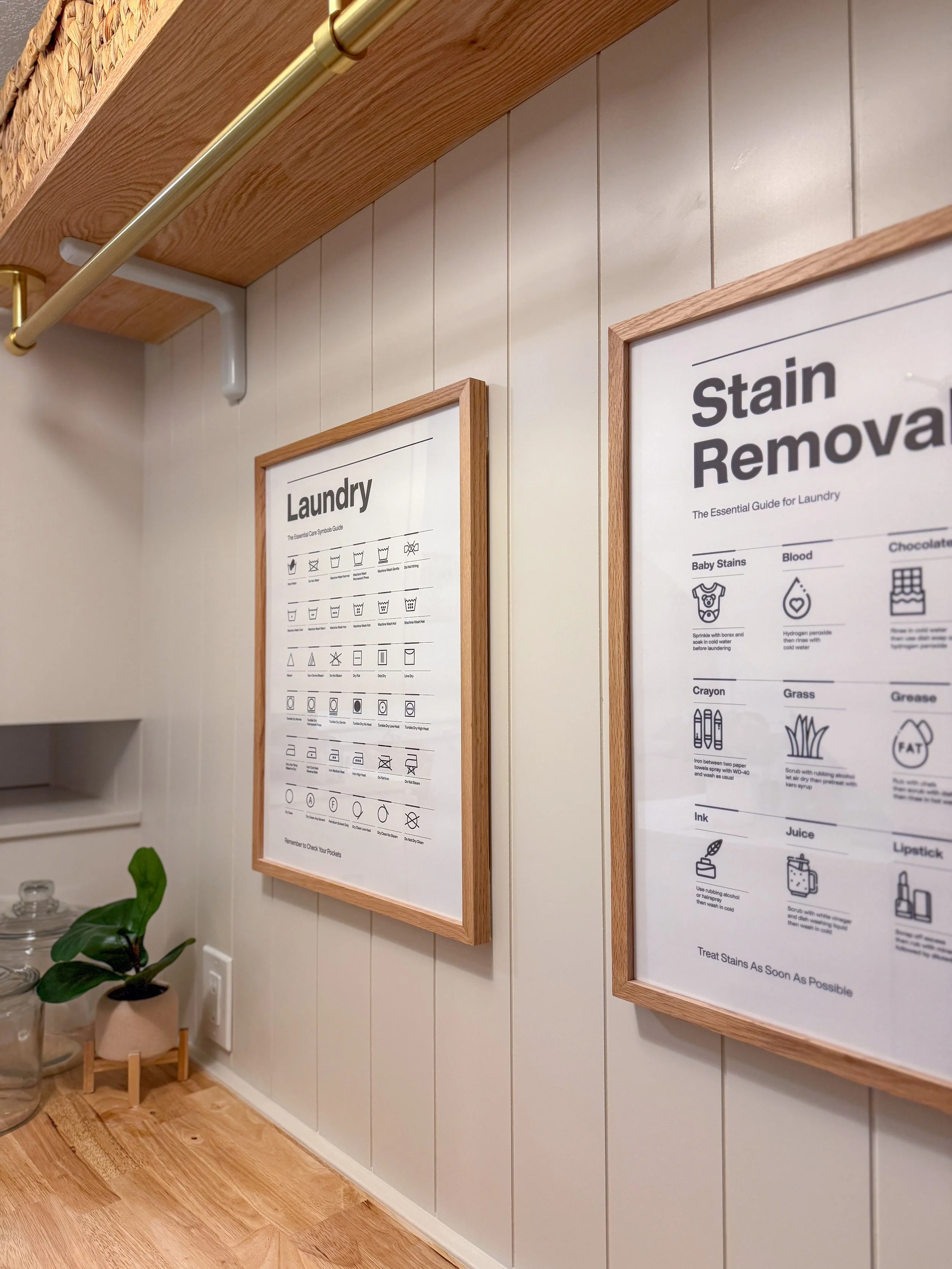
Some rooms are first and foremost there to do a job. The laundry room needs to wash clothes, the pantry needs to hold groceries, and the garage needs to store items not needed in the house. Because these areas are so heavily tied to function, it's easy to treat the design as an afterthought.
And honestly, if we're choosing between spending an afternoon picking out the perfect throw pillows for the living room or figuring out storage for the garage, the living room is probably going to win.
But functional doesn't have to mean forgettable.
We've seen beautiful pantries that are just as efficient, laundry rooms with fun storage solutions, and thoughtfully planned garages that become multi-purpose spaces. The goal isn't to turn every utility space into a showpiece. It's to give each room a purpose and create the systems that help it do its job well—from the rooms everyone sees to the corners working quietly behind the scenes.
BEYOND THE BEAUTIFUL
We’re not saying you need to design every square inch of your home, or that every room needs to be a showstopper.
Good design is about more than making a home beautiful. It's about creating a home that feels good to be in, works well when you need it, and doesn't create more chaos than it solves.