
February: The Month Resolutions Are Either Built or Broken
January tends to be the month where we get to hit the reset button… until school schedules and work routines quickly come back into play. The new year starts strong, but before we know it, real life settles in. Maybe you’re still finding time to make it to the gym, finally starting that new craft, or keeping up with a cleaner home each day. Or maybe those goals are already feeling harder to keep up with. Fill in the blank for yourself.
As we move into February, remember why you set those goals. Your “why” is what carries you when excitement wears off.
According to Healthline,
“it takes an average of sixty-six days for a behavior to become automatic. And twenty-one days for old habits to fade — but that’s twenty-one consistent days. ”
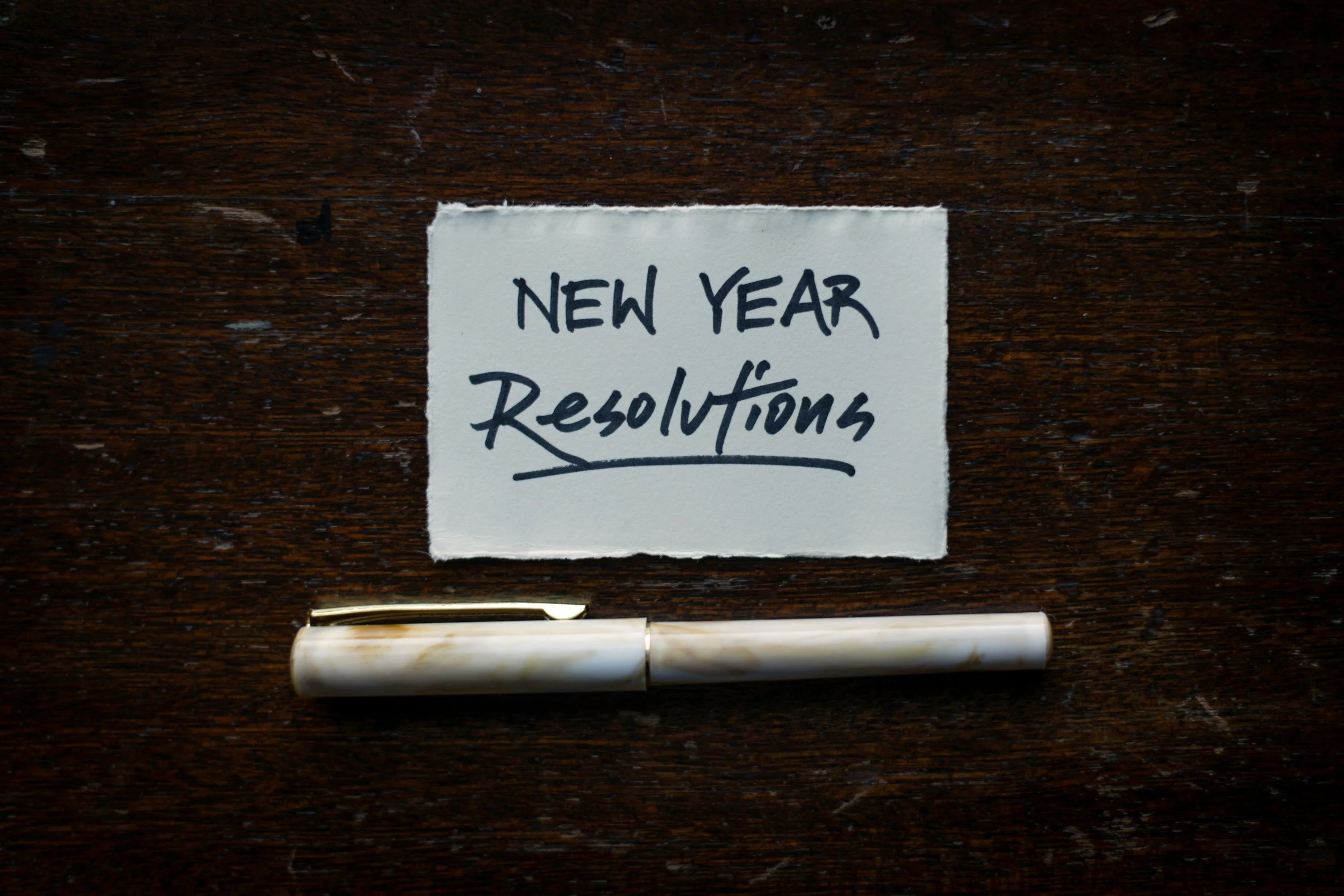
The new year starts strong, but before we know it, real life settles in.
Miss a few, and technically the count starts over. Before you panic… take a breath. We’re only forty days into the year. This is not the moment to throw in the towel. It’s the moment to recalibrate.
Here are a few quick and practical ways to stay consistent and continue becoming the best version of yourself in 2026:
Step One: Set Realistic Goals.
Look back at the last 30 days. What actually happened in January? What felt sustainable? What felt forced?
What can you realistically see yourself continuing in February… in June… even in September?
The goal isn’t to sprint through January and February just to collapse by March. It’s to build habits you can carry with you.
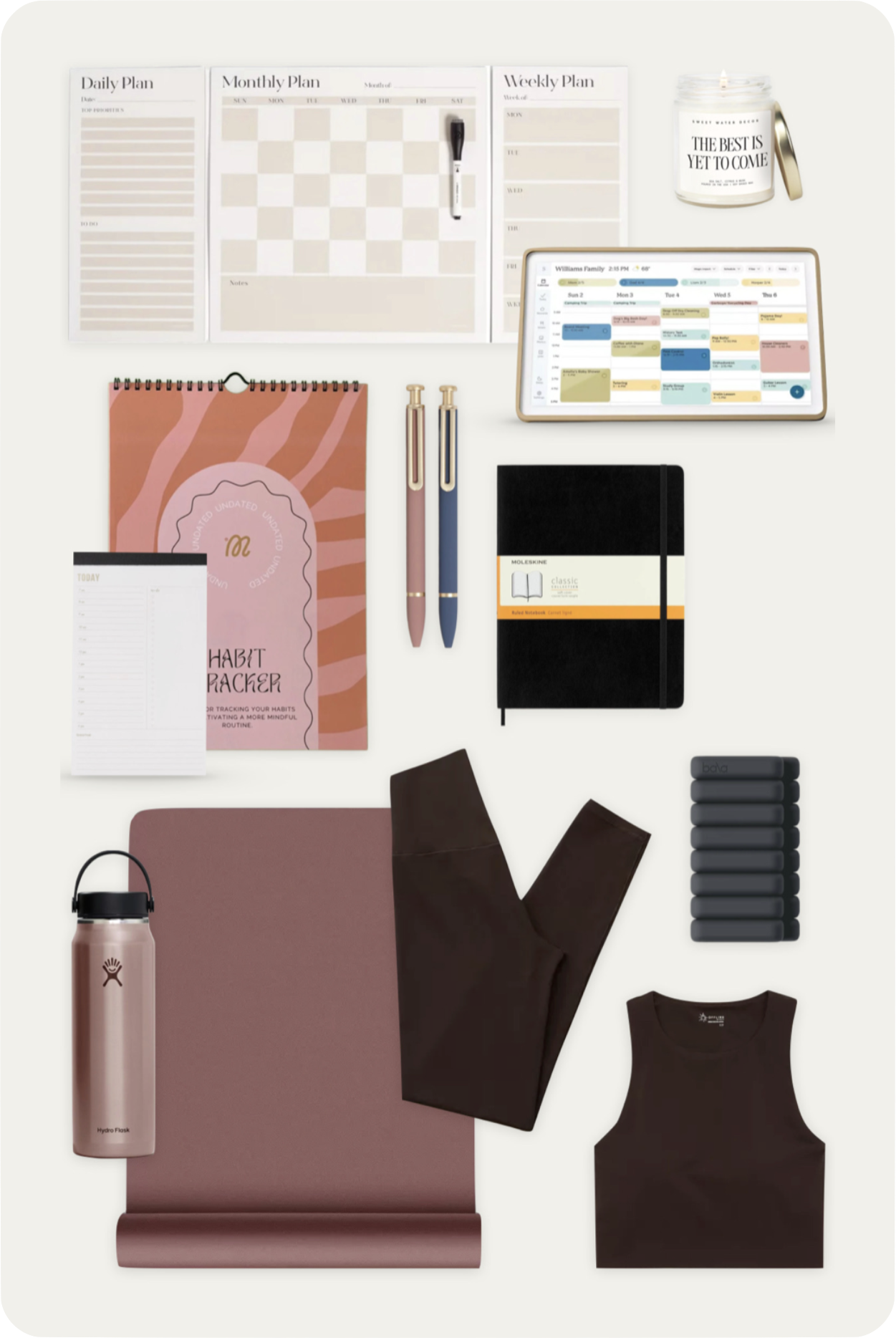
For me, journaling keeps everything grounded. And not the aesthetic, color-coded, Pinterest version. I mean old-fashioned, handwritten lists. Goals in pen. Checklists I can physically cross off. There is something powerful about seeing progress on paper. About finishing a small task and feeling that tiny spark of accomplishment.
Step Two: Focus on the Wins.
This is not the time to dismiss progress because it doesn’t look dramatic. This is the time to celebrate the small, steady shifts.
Four pounds isn’t ten… but it is four. And when you look back, that’s four pounds closer to your goal. That’s movement. That’s momentum.
You had one drink out with friends instead of two. Win.
You made a realistic checklist — and actually checked off the major items. Win.
You read for ten minutes, even if it wasn’t a full chapter. Win.
When you focus on what’s working instead of what’s missing, you train your mind to look for evidence of growth. And growth builds confidence. Confidence builds consistency.
Step Three: What to Do When You Feel Overwhelmed?
Overwhelm usually means one of two things: you’re trying to do too much at once, or you’re expecting results faster than real life allows.
January was about figuring out where these new goals actually fit into your life. It was the trial month. The adjusting month. The “okay, this is harder than I thought” month. February is where the habits start doing the heavy lifting.
Progress does not have to be dramatic. Consistency beats intensity every single time.
If you miss a day, or even a week, it doesn’t erase the effort you’ve already put in. We are only forty days into this new year. There is still so much room. So much grace.
Instead of quitting, shrink the goal.
Can’t do the full workout? Walk for ten minutes.
Can’t journal three pages? Write three sentences.
Can’t tackle the whole house? Clear one drawer.
Momentum is built in the small decisions.
Because progress rarely shows up as fireworks.
It shows up as ordinary choices, repeated over and over again.
And those ordinary choices? They change everything.
Step Four: Stop Relying on Motivation
Motivation comes and goes. It’s exciting. It’s powerful. It gets you started.
But small, repeatable actions? Those are what carry you through.
Inspiration might get you to the gym once. Systems get you there in March.
One thing that helps me stay consistent is pairing habits with a simple reward. A small treat. Something to look forward to.
For example, one of my goals for 2026 is to take better care of my health. Nothing dramatic — just better, daily decisions. One easy habit I’m building? Drinking two full bottles of water every day.
It’s not flashy. It’s not complicated. But it’s repeatable.
The habit doesn’t have to be extreme. It just has to be sustainable.
Because when motivation fades (and it will), discipline built on small, doable actions keeps moving forward.
What habits are you trying to form? Let us know in the comments!
Take ♥️, here’s to 2026.